Rechercher dans ce blog

Monday, October 12, 2020

Herbert Harold “Herb” Morgan II (76) | Obituaries - Rheaheraldnews

herb.indah.link

Herbert Harold “Herb” Morgan II went to be with the Lord on the morning of Sept. 7, 2020, at his home in North San Antonio, Texas.

Herb was born Aug. 7, 1944, in Harlingen, Texas, where his father was attending pilot training school towards the end of World War II. He attended high school in Sedalia, Mo., before the family moved to Athens, Greece. In Athens, he attended the American Academy where he graduated. After high school graduation, he attended The University of Maryland in Munich, Germany. In 1964, the family moved back to Austin, Texas, where he attended the University of Texas and that is where he met his future wife.

On April 6, 1968, Herb married Jacquelyn Rowena Johnson at Tarrytown Methodist Church in Austin. He graduated from the University of Texas in January 1970 with a degree in Aerospace Engineering. He then began his U.S. Air Force career in pilot training at Randolph Air Force Base. After graduating from pilot training he was stationed at Mather Air Force Base in Sacramento, Calif., and later returned to Randolph AFB. He was given the opportunity to get a Masters Degree in Computer Science at Texas A&M. After graduation he was transferred to Scott Air Force Base in Illinois

He returned to San Antonio after getting out of the USAF and went to work at USAA and during this time completed his MBA at UTSA. After retiring from USAA, he and Jackie lived out their married life in San Antonio with their five children. Herb was a good husband, father, son, son-in-law, father-in-law and grandfather, as well as a good neighbor.

He was preceded in death by his parents, Herbert H. “Jack” Morgan and Ruby Gray Morgan; son, William Byerly Morgan; infant daughter, Mary Louise Morgan; and sister, Suzanne Morgan Wood, and her husband, Ron Wood.

Herb is survived by Jackie, his wife of 52 years; children, Meredith Morgan (Jeff) Reid, Trey (Jennifer Williamson) Morgan, Wesley Charles Morgan (fiancé, Rachel Quigney), Zandra Grajeda Morgan (widow of William B. Morgan) and Austin J. (Penny Castaldo) Morgan; grandchildren, Dalton and Mason Reid, Julia and Cole Morgan, Alexander and Brayden Morgan, Haley, Alexis and Fuller Quigney, Emmalee Karakula, Azalea Morgan and Rylan, Jacquelyn “Jackie” and Gia Morgan; sister-in-law, Pam (Ray) Geurink; nephews, Lance Wood, Martin Wood, Ty Geurink and Jay Geurink; aunt, Susan Morgan Roddy; uncle and aunt, Byerly and Charlotte Morgan; and uncle, Walter Everhart. He is also survived by his very good, long-time fishing buddies, Bob Marietta of Boerne, Texas, and Randy Goode of San Antonio and all the other Lone Star Lunker Fishing Club that he fished with over the years. They shared many hours and made many memories together on local Texas lakes.

Herb was laid to rest with military honors at Fort Sam Houston National Cemetery in San Antonio on Sept. 25, 2020.

The Link Lonk


October 12, 2020 at 11:29PM
https://ift.tt/2GY8tDa

Herbert Harold “Herb” Morgan II (76) | Obituaries - Rheaheraldnews

https://ift.tt/3eCf9lu
Herb

Friday, October 9, 2020

Why You Should Be Using Fresh Herbs in Your Cocktails - VinePair

herb.indah.link

One of the easiest ways to bring fresh, robust flavors to food is by introducing spices and herbs. Cocktails are no different: A few basil leaves or sprinkle of thyme can change a dull drink into a delicious one, adding depth of flavor that liqueurs and mixers just can’t compete with.

“Herbs add a level of complexity and depth to cocktails that are difficult to attain with bitters or syrups,” says Jason Pollard, a mixologist at The Usual in Ft. Worth, Texas. “You only have to look to the Mint Julep to see how influential fresh herbs can be. Next time you have leftover herbs from a recipe, try adding them to your evening cocktail and see how it changes the experience.”

Sweet, savory, salty, and even sour, herbs are gifts that keep giving — or give classic drinks an unexpected twist. Learn to harness the power of herbs with the cocktail recipes below.

SAGE

The piney smell and flavor of sage add a vibrant warmth to just about anything it touches. For cocktails, a sage-infused syrup can provide an earthy sweetness that pairs well with citrus flavors.

The recipe below, developed by mixologist Peter Siewruk of Sparrow at The Dalmar Hotel in Ft. Lauderdale, Fla., uses Italicus Rosolio di Bergamotto. This Italian liqueur derives from rose petals, chamomile (from Italy’s Lazio region), and lavender, along with gentian and melissa balm. Its light bitterness and floral, spicy components brighten sage-flavored cocktails in a pleasantly distinct way.

“Sage as an aromatic plays really well with the tonic and helps to bring out the striking flavors of Italicus, while still letting you taste the bourbon,” Siewruk says.

The Me Oh My Recipe

Developed by: Peter Siewruk

Ingredients

  • ½ ounce bourbon
  • 1 ounce Italicus
  • ¼ ounce Chambord (or Cassis)
  • ½ ounce lemon juice
  • ½ ounce honey syrup*
  • 3 fresh sage leaves
  • Splash of tonic water

Directions

  1. Add all ingredients (except tonic) to a shaker tin with ice, and shake quickly to combine.
  2. Pour over ice in a Collins glass, and top with tonic water.
  3. Gently mix with a bar spoon, and garnish with fresh sage leaves.

*The Honey Syrup Recipe

  • 1 cup water
  • 1 cup honey

Directions

  1. Mix honey and water over medium-high heat.
  2. Simmer until fully mixed, stirring occasionally.

CARDAMOM

Cardamom is a complex herb that can be citrusy if its color is green, and smoky if its color is black. The zesty flavor of green cardamom is both sweet and spicy, making it complementary to a wide variety of cocktails. Black cardamom’s minty, menthol-like flavor pairs well with dark spirits like whiskey, and even tea. Cardamom’s herbaceous flavor also makes it a great herb to transform into tinctures and syrups.

In the Cardamom Old Fashioned, developed by Samuel Diaz, mixologist at San Francisco’s Kaiyo, the bourbon’s oaky taste is elevated with a mix of sweet and spicy from the cardamom. “I like the herbal notes of cardamom, especially when paired with cinnamon, because it plays perfectly with both the spice notes and caramel notes in Woodford Double Oaked,” Diaz says.

The Cardamom Old Fashioned Recipe

Developed by: Samuel Diaz

Ingredients

  • 2 ounces Woodford Reserve Double Oaked Bourbon
  • ¼ ounce cardamom/cinnamon syrup*
  • 2 dashes Angostura bitters
  • 2 dashes cardamom bitters
  • Garnish with orange peel

Directions

  1. Combine all ingredients together in a rocks glass with a large ice cube.
  2. Stir until very cold.
  3. Garnish and serve.

*The Cardamom/Cinnamon Syrup Recipe

  • 5 cinnamon sticks
  • 5 cardamom pods, crushed
  • 2 cups water
  • 2 cups fine granulated sugar

Directions

  1. Boil two cups of water with cinnamon sticks and crushed cardamom pods for five minutes.
  2. Strain, and add two cups of fine granulated sugar to strained hot water.
  3. Bring to boil until all sugar is dissolved.
  4. Refrigerate after cooling. Syrup will last for 7-10 days in the refrigerator.

LAVENDER

The lure of lavender cannot be overstated. Its calming properties are used in beauty products and wellness rituals, and let’s be honest: Is there anything more beautiful than a field of lavender? While its mild floral scent is often used throughout homes, spas, and even laundry detergent, lavender can also be the perfect addition to a cocktail recipe. The herb’s floral notes strike a balance between sweet and savory that can brighten any drink.

With its subtle, floral aromatic profile, lavender can deepen the botanical taste of spirits like gin. Clint Spotleson, mixologist at Herbs & Rye in Las Vegas, uses lavender soda to amplify the delicate flavors of the At Last recipe. “I felt lavender had a flavor that complements Italicus, yet was delicate enough to let other ingredients continue to be the star,” Spotleson says. “I’ve found using flavors from herbs in a spirit can be a home run when done properly.

The At Last Recipe

Developed by: Clint Spotleson

Ingredients

  • 1 ounce Italicus
  • ½ ounce London Dry gin
  • ¾ ounce lemon juice
  • ½ ounce Earl Grey syrup
  • Lavender soda

Directions

  1. Add all ingredients (except the soda) to a shaker tin with ice and shake quickly to combine.
  2. Pour over ice in a Collins glass.
  3. Top with lavender soda, and gently mix with a bar spoon.
  4. Garnish with a lemon twist and fresh lavender sprig.

DILL

Dill is a buttery herb with a grassy smell and warm, anise-like taste. Its powerful flavor may not be the first that comes to mind for cocktail-making, but it belongs in any herb-loving home bartender’s roster. When balanced with more neutral, cooling ingredients like cucumber, dill is truly a match made in cocktail heaven.

“Dill is such a prevalent flavor note that gets picked out for rye whiskey, but I wanted to make sure that the cocktail showcased the herb, and all of its floral and soft characteristics,” says Jason Pollard of his Green Goddess drink. “As such, pairing dill with avocado and honey is an easy way to fold in classic rye flavor notes, and showcase the uniqueness of a Kentucky style rye like Woodford Reserve Rye. Dill in this cocktail helps to soften some of the spicy edges that rye whiskey is known for,” says Pollard.

The Green Goddess Recipe

Developed by: Jason Pollard

Ingredients

  • 2 ounces Woodford Reserve Rye
  • 1 ounce lemon juice
  • 1 ounce honey syrup (1:1 honey: water)
  • ½ avocado
  • 3 dill sprigs, plus extra for garnish
  • Thyme sprigs, garnish
  • Seedless blackberry jam, garnish

Directions

  1. Combine all ingredients in a blender with pebbled ice.
  2. Flash blend to combine, and pour into an 8-ounce julep mug.
  3. Garnish with thyme and dill sprigs, and droplets of seedless blackberry jam.

BASIL

A member of the mint family, basil is an essential herb in many cuisines around the world, from Italian to Thai and Vietnamese. There are over 60 varieties of basil, and its typical flavor profile is both sweet and peppery. The versatile herb can be used as a syrup, or a garnish of a few leaves on top of your favorite cocktail.

Bar manager Kate Fiore developed the Irish Eyes recipe to showcase the levels of flavor that herbs can bring out of a drink. “Basil leaves elevate this cocktail in a way that any fresh herb, paired with the right ingredients, would,” says Fiore, who manages the bar at Match Restaurant in Norwalk, Conn. “Basil is bright, slightly bitter, and intensely aromatic, so it can hold its own in this drink. The sweet strawberry and acidic balsamic vinegar require the balance that basil brings. I’ve found that Broken Shed Vodka is the perfect vehicle for delivering this familiar and always satisfying flavor pairing — it’s viscosity is just right for the bold flavors here. The vodka also takes on flavor particularly well, so you will never get a harsh sip.”

The Irish Eyes Recipe

Developed by: Kate Fiore

Ingredients

  • 2 parts Broken Shed Vodka
  • 1 part balsamic vinegar
  • 3 basil leaves
  • ½ cup fresh muddled strawberries
  • Seltzer

Directions

  1. Muddle basil leaves with balsamic vinegar.
  2. Combine with strawberries and add vodka.
  3. Top off with seltzer.
The Link Lonk


October 09, 2020 at 06:41PM
https://ift.tt/3jLmH8W

Why You Should Be Using Fresh Herbs in Your Cocktails - VinePair

https://ift.tt/3eCf9lu
Herb

New perennial woody herb species spotted - The Hindu

herb.indah.link

Rare plant found near Ananthapura lake temple in Kasaragod and hence named ‘Lepidagathis ananthapuramensis’

A team of researchers have reported a new species of perennial woody herb of the genus Lepidagathis from the northern laterite plateaus of Kasaragod district in the State.

Since this rare plant was spotted in the neighbourhood of the Ananthapura lake temple, it has been named ‘Lepidagathis ananthapuramensis’ after the famed temple dedicated to Ananthapadmanabha.

An article on the discovery authored by P. Biju of Government College, Kasaragod; V.S. Anil Kumar and S. Arya of University College, Thiruvananthapuram; E.J. Josekutty, Government Brennen College, Thalassery; and Jomy Augustine, St Thomas College, Pala; has been published in the latest edition of Phytotaxa, a journal on plant taxonomy.

The plant was spotted during field explorations in the region, V.S. Anil Kumar said. With its discovery, the number of species of the genus Lepidagathis (family Acanthaceae) found in India has risen to 34. “Plants of this species are locally called ‘Paramullu’. As far as we know, Lepidagathis ananthapuramensis is endemic to the region,” he said.

To date, eight species of the genus Lepidagathis and three varieties have been reported from Kerala, of which four are endemic to the Western Ghats.

Lepidagathis ananthapuramensis is closely related to Lepidagathis keralensis reported from Madayippura in Kannur district. Detailed studies have established the former as a hitherto undescribed species, he said.

An erect woody herb that grows to a height of 50-100 cm, Lepidagathis ananthapuramensis is characterised by a hairy and branched stem, thick and woody rootstock, hairy leaf veins, and flowers clustered on one side of the inflorescence.

The Link Lonk


October 09, 2020 at 08:56PM
https://ift.tt/3nvsWzP

New perennial woody herb species spotted - The Hindu

https://ift.tt/3eCf9lu
Herb

Thursday, October 8, 2020

Wheat Ridge herb festival this weekend - Ledger Independent

herb.indah.link

The vastly popular Wheat Ridge Olde Thyme Herb Festival will be held this weekend, Oct. 9-11.

This will be the 12th consecutive year the festival has been held, hosted by Herb and Kim Erwin, with son Brad.

A week before the festival Kim Erwin can be seen perusing her assortment of gourds and pumpkins, fastidiously picking over each cart to make sure each vegetable is properly placed and perfect. She is also using her eye for color to pick the perfect gourd which would deepen the complexity and add that much more vivacity to her festival decorations.

Up until the festival, each day is filled with copious amounts of preparation in multiple avenues.

“I feel like people need a place to get out and enjoy an event that’s outdoors. I think everyone is tired of being cooped up, whether you’re in town or even in the country. I mean, you’re still limited as to where you can go, and events that you can go to, because so many of them have been canceled,” said Erwin.

For the vendors and everybody in the community, Erwin felt the festival needed to continue this year.

“We’ll have]at least 125 vendors. I’m still getting more right now, because my vendors who go to other events tell other vendors. So, I’m getting more every day it seems like,” said Erwin, laughing.

While the community can expect the same delicious assortment of food vendors this year, Erwin said there a quite a few new craft vendors. The assortment of new vendors include hooked rugs and wall hangings, wood turned bowls, hand-painted pumpkins, owl lights, Dallas’ Wagons, Bourbon Barrel Boutique, vegan olive oil soaps, goats milk, dried wreaths, birdhouses, gourd ornaments, burlap wreaths, wooden assortments, antiques and primitives, soy candles, pottery and dog treats.

“We have all the same food vendors, of course people like coming and picking out fall decorations. I don’t have my mums here yet, they’ll come in next Thursday before the festival, but we’ll have lots of mums; and, of course, pumpkins, gourds and squash,” said Erwin.

Along with vendors, attendees will be entertained with music from bands such as The Kinner Express, The Hitchhikers, and Strings Attached.

“Last year, our parking lot attendants kept count of the number of people, and the weather was perfect. So, I know that bears a lot of influence on how many people come, but they said we had between 20 to 25,000 in three days. If the weather cooperates, that’s what we expect,” said Erwin.

The usual guidelines have been proposed by the health department, such as social distancing, hygiene, and masks.

“The CDC has said that being outdoors is the safest place you can be. 90 percent of our festival is outdoors, so [I think] we’re safe. I leave it up to the individuals, whatever they feel comfortable with. Some people are okay without masks, some would prefer to have them on, so, I leave it up to my vendors [and the individuals],” said Erwin.

The only thing attendees can expect that has changed is the lack of hay bale seating in the barn.

“We normally have bales of straw down the middle for people to sit on and socialize, visit and eat, that’s the only thing [they] had us change this year. The man who takes care of and runs the portalet company, he has some special precautions that he’s going to take this year, because of what he’s done at other events, so he’s going to carry that on here,” said Erwin.

Other than that, the festival is expected to promise much of the same merriment it has in years passed.

“Come out and enjoy it. Lots of good food and entertainment and vendors,” said Erwin.

The 12th Wheat Ridge Olde Thyme Herb Festival will be held at 817 Tater Ridge Road on Grindstone Farm from 10 a.m to 5 p.m. each day.

The Link Lonk


October 08, 2020 at 09:45PM
https://ift.tt/36IwLvG

Wheat Ridge herb festival this weekend - Ledger Independent

https://ift.tt/3eCf9lu
Herb

Wednesday, October 7, 2020

Growing herbs outdoors will provide better results, abundance - The Southeast Sun

herb.indah.link

One of the perks of growing a garden at home is having direct access to fresh produce. This access allows gardeners to provide peak garden-to-table freshness for their kitchen creations. Aside from traditionally grown items, properly growing and tending herbs is a great way to introduce freshness to any meal. While many people may try to grow herbs indoors for easy access, herbs, like most other crops, prefer to be grown outdoors. This may seem like a daunting task, but properly growing herbs outdoors will provide better results.

Ensuring that the herbs are growing happy and healthy could make all the difference in a gardener’s culinary creations. Dani Carroll, an Alabama Extension home grounds, gardens and home pests regional agent, said one of the most crucial factors for growing herbs is light.

“Most herbs need six full hours of sunlight daily,” Carroll said. “Make sure to grow the plants in a location where there is as much natural light as possible. Additional artificial light sources may be necessary for growth if they cannot receive enough.”

Carroll offers the following tips for properly growing herbs:

• If growing herbs in pots, the pots need to be large enough to hold a substantial amount of soil for the herbs to grow in.

• Well drained soils are essential. Soilless mixtures like peat, vermiculite and perlite will also work, but nutrients will need to be added periodically.

• Growers may want to test the pH of the soil before planting.

• Most herbs do not climb or need trellising, which makes them easier to tend to.

There are six commonly used herbs in cooking, including thyme, rosemary, oregano, cilantro, basil and mint. To successfully grow herbs, it is important to know the appropriate planting time for each type of herb. Some herbs only grow at specific times of the year. Herbs, such as cilantro, grow well in cooler temperatures, whereas other herbs, like thyme and oregano, tend to thrive in warmer conditions. The following tips specific to each herb will help serve as a growing guide for gardeners:

Thyme

As stated before, thyme prefers warmer conditions and a lot of sunlight, at least six hours. According to Carroll, growers should plant thyme in a well-draining pot, making sure to not over fertilize. Adding too much fertilizer causes the plant to produce too much tasteless growth. Light fertilizers may be beneficial as thyme is harvested.

Oregano

Similar to thyme, this herb thrives in warmer conditions. With a lot of sunlight, preferably six to eight hours, oregano will flourish. For maximum growth, plant the herb in a well-drained container.

“To avoid overwatering, make sure the soil is dry before watering,” Carroll said. “Also, it is essential the soil is fertilized throughout the growing season.”

Rosemary

Rosemary prefers well-drained, moist soil. However, it can tolerate drier conditions as well. This herb is sensitive, requiring plenty of sunlight with little water.

“Begin by watering rosemary regularly the first few weeks and then allow nature to take its course,” Carroll said.

Since Rosemary is primarily a landscaping plant, they can grow to fairly large sizes. Rosemary prefers to grow outside, but cannot grow in acidic soil.

Cilantro

Cilantro prefers to be seeded and grown in cooler conditions, as it does not thrive in the summer or warmer conditions. Carroll said cilantro can “replant” itself if gardeners allow the seeds to dry out and fall in the fresh soil.

Basil

Gardeners should seed basil in nutrient rich soil that allows for plenty of drainage. Keep the soil damp so that the plant is properly nourished. Place the basil in an area that gets constant light. To allow the basil leaves to grow back stronger, continually cut newly grown leaves. This allows the basil to replenish itself.

Mint

Mint will thrive in areas with little sunlight. To ensure maximum growth, make sure to water regularly. As with basil, pinch back the mint to control overgrowth. It is best to plant mint in a pot as it can quickly invade garden spaces. Gardners can bring a small mint plant indoors to harvest during cooler conditions.

If a gardener finds themselves with an abundance of fresh herbs, they can dry them for future use. Check out the Alabama Extension publication “Drying Herbs” for more information on the drying process.

The Link Lonk


October 08, 2020 at 05:04AM
https://ift.tt/30JismW

Growing herbs outdoors will provide better results, abundance - The Southeast Sun

https://ift.tt/3eCf9lu
Herb

How to preserve the herbs from your spring garden, and then how to cook with those preserved herbs - San Antonio Express-News

herb.indah.link

For all we’ve lost during the coronavirus outbreak — from dinner parties at home to a night at the neighborhood watering hole and beyond — there’s one upside that’s come from the pandemic: We’ve discovered our collective green thumbs.

Victory gardens have sprouted up around the country, many of those lush with a wide range of herbs. And oh, were there lessons learned by gardeners new and experienced alike.

San Antonio chef James Canter and his wife, Maureen Canter, planted about 15 varieties of herbs this year, including five types of mint. Those plants, which found homes in raised beds, pots and hanging baskets, have resulted in more mint than either know what to do with.

“Mint brings me joy,” Canter said. “We both love mint, but maybe not that much.”

The Canters, with abundant free time on their hands courtesy of the COVID-19 restaurant closures also took the time to prepare their herb beds with precision. The right sun exposure, freshly tilled soil, ground covers to keep the weeds at bay, plenty of mulch to help retain water and keep the plants’ root temperatures moderate. And the results paid off.

“I got a lot out of this growing season in particular. The most important thing I would say was placement in proximity to sun and shade is a huge factor,” Canter said. We put some basil plants in the ground with just enough afternoon sun to make the things blow up. They’re overhead now.”

On ExpressNews.com: 4 herby dishes and 1 cocktail to use up the herbs in your garden

With the growing season coming to a close for much of that greenery in South Texas, this week we’re highlighting four ways to preserve that aromatic bounty for the coming months. Whether it’s a mountain of mint or bales of basil you’re sitting on, we have a method that will work for you.

The life of herbs is easy to extend through drying, infusing in oil, freezing in cubes and processing into a paste. We’ll teach you how to do all of those, and share recipes using the results of each technique.

Dried herbs: In general, the potency of herbs is lessened somewhat when dried. This method works best for aggressive herbs such as oregano and marjoram and herbs with tough stems and small leaves like thyme. It’s also a useful technique for very delicate herbs such as dill which stay fairly soft and tender when dried.

There are two basic approaches: air drying and oven drying. For the former, tie five or six sprigs of herbs together at the stem — you want the bundles small enough for air to flow around them — and place them stem-side up in a paper bag punctured with a few holes. They’ll dehydrate in as little as a week when stored at room temperature and be ready to store in air-tight containers.

To dry herbs quickly in the oven, place them in a single layer on a baking sheet and bake them at 180 degrees or less (your oven’s “warm” setting is perfect for this) for two to four hours until thoroughly dried. Let them cool completely before storing.

Herb-infused oil: This method works with many herbs, but is most useful for plants with tough, woody stems such as rosemary, oregano and thyme.

Place the fresh herbs, still on their stems, in a sealable jar or bottle large enough to leave couple inches of empty space at the top. Pour enough olive oil into the container to completely cover the herbs and seal the bottle or jar. Place the jar in a sunny window and give it a shake once a day for about three weeks. After that, strain the oil into a bottle, squeezing as much of the oil from the plants as you can.

For a quicker method, you can heat 2 cups of oil in a saucepan to a low temperature on the stovetop. Remove the pan from the heat and submerge the herbs in the oil. Let the oil cool to room temperature and strain. Olive oil will lose some of its flavor when heated, so this process works well with neutral oils such as safflower or grapeseed.

On ExpressNews.com: How to store your fresh herbs

Herb ice cubes: One of the easiest and most convenient way to store herbs, this technique will leave your freezer full of herb-packed blocks of olive oil or butter ready to use in vinaigrettes, quick pasta dishes, potato salad, soups and more. Herbs with tender leaves such as basil, cilantro, mint and tarragon work particularly well here.

The method is simple. You can leave the leaves whole or chop them as desired. Fill each cell of an ice cube tray about two-thirds of the way with the herbs and top the cells with olive oil or melted butter. Place the trays in the the freezer overnight or until completely solid. Transfer the herb cubes to a sealable plastic bag and leave them in the freezer to use as needed.

Herb paste: Herbs processed to a paste with a bit of oil is the least shelf-stable way of preserving — they’ll last for up to a month in the refrigerator — but it’s a very fast and convenient way to make the most of a bumper crop of tender herbs such as basil, chives, mint, cilantro, parsley or dill. This is a fun place to play with combinations of herbs as well, such as parsley and chive or any other mixture as desired.

To make the paste, place 2 to 4 cups of leaves in a food processor or blender. While the blades are spinning, add just enough olive oil to allow the herbs to blend into a smooth paste. You don’t want to add more oil than necessary here.

Once the paste reaches your desired consistency, transfer it to a sealable container and refrigerate. Alternatively, you can spread the paste out on parchment paper and freeze it. Once solid, break the paste into chunks and place in a sealable bag in the freezer.

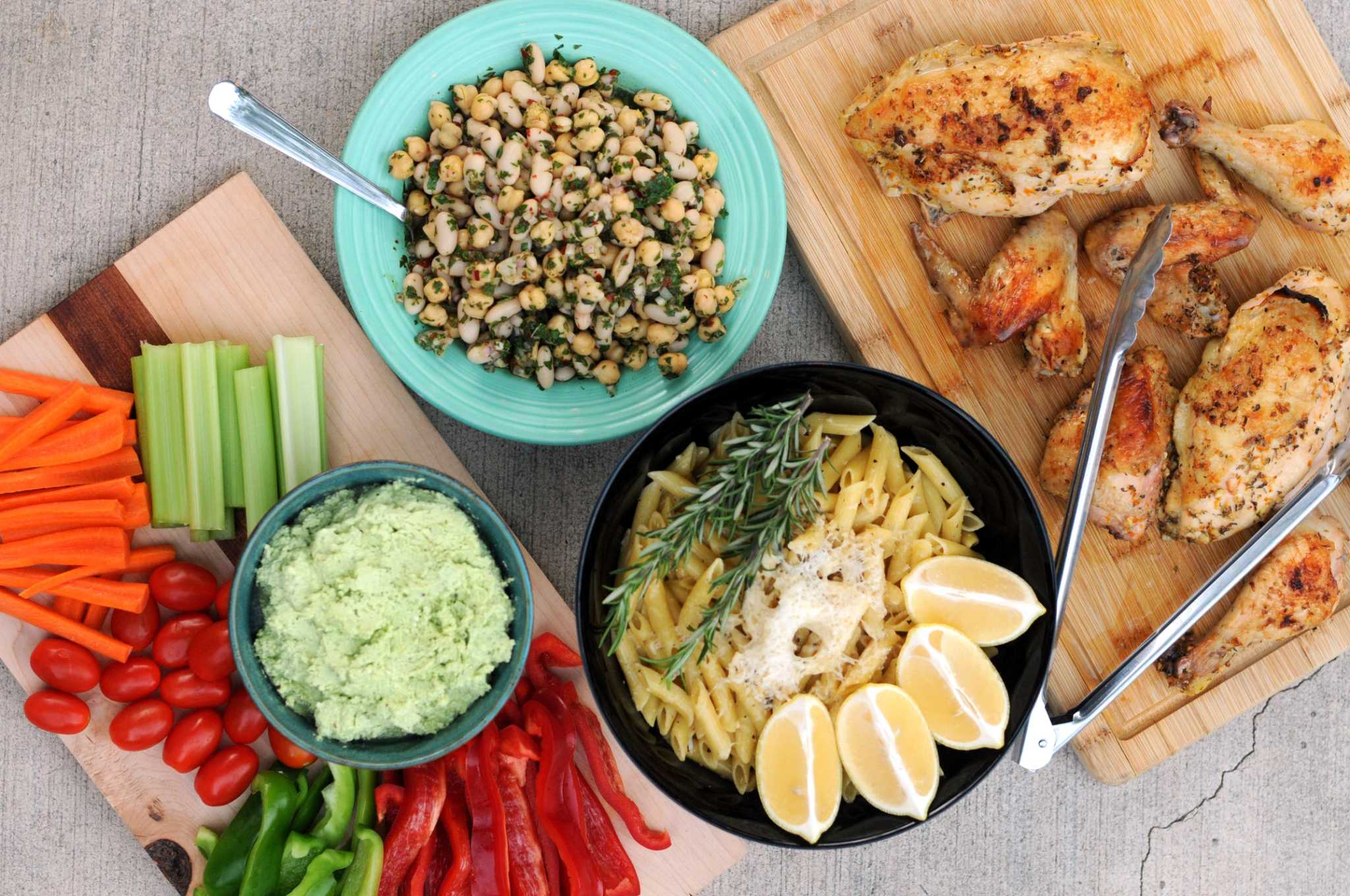
Recipe: Citrus- and Herb-Roasted Chicken

Recipe: Lemon Rosemary Pasta

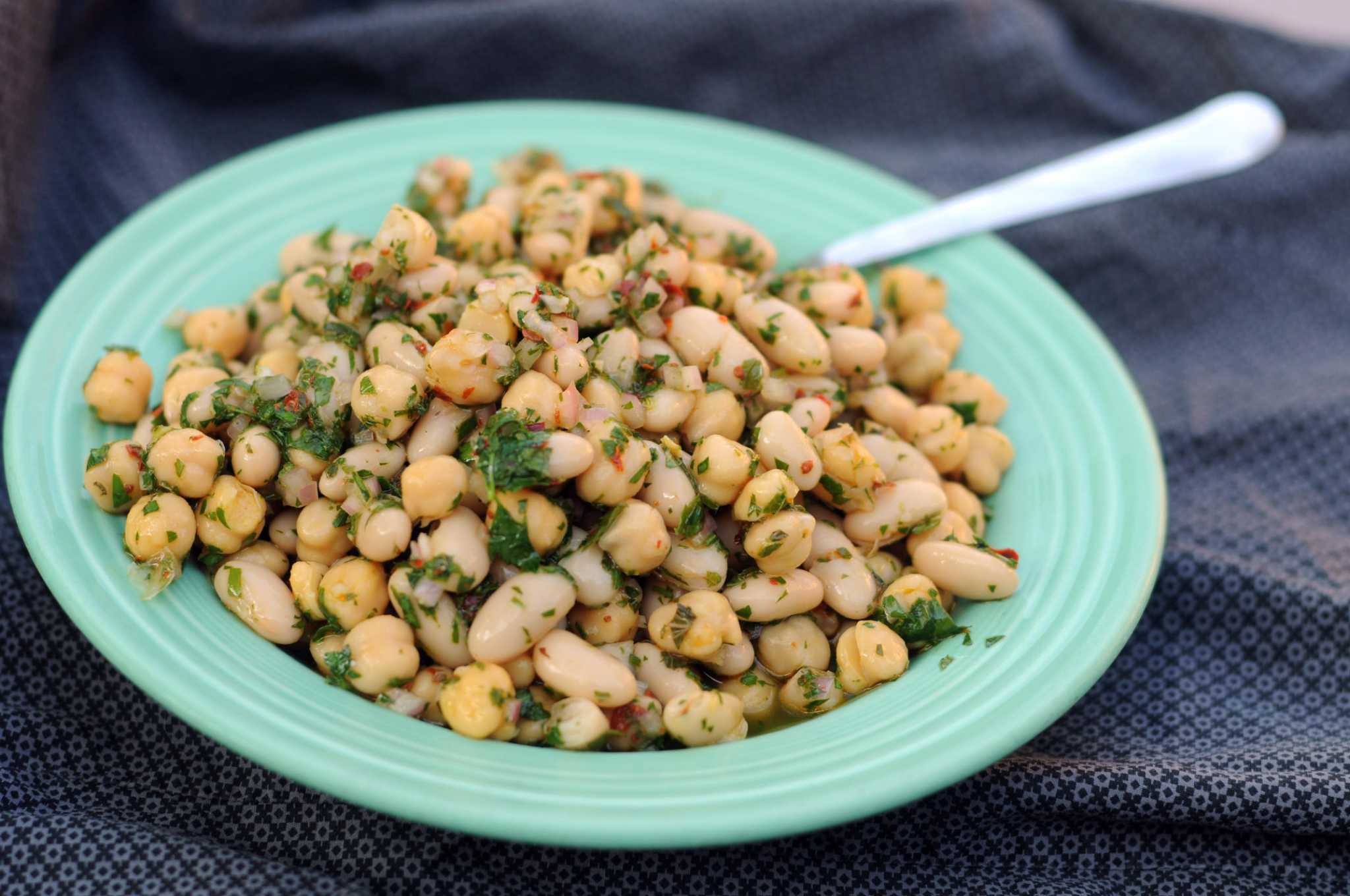
Recipe: Herb-Marinated Beans

Recipe: Herby Feta Dip

Paul Stephen is a food and drink reporter and restaurant critic in the San Antonio and Bexar County area. To read more from Paul, become a subscriber. pstephen@express-news.net | Twitter: @pjbites | Instagram: @pjstephen

The Link Lonk


October 07, 2020 at 11:40PM
https://ift.tt/3nnCnS5

How to preserve the herbs from your spring garden, and then how to cook with those preserved herbs - San Antonio Express-News

https://ift.tt/3eCf9lu
Herb

Recipe: Herb-Marinated Beans - San Antonio Express-News

herb.indah.link

This hearty and herbaceous bean dish can be served as a side or a vegan main course.

1 shallot, finely chopped

3 tablespoons white wine vinegar

2-4 olive oil and herb ice cubes (such as mint, parsley, cilantro, chives, and/or dill)

2 (15-ounce) cans cannellini beans, navy beans, black-eyed peas, or chickpeas, or a mix, rinsed

1 teaspoon Aleppo chile flakes (or other mild chile flake)

Kosher salt

Instructions: Combine shallot and vinegar in a small bowl and let sit 5 minutes.

Meanwhile, place the herb ice cubes in a bowl to thaw. When melted, add the beans and red pepper and toss to combine. Season generously with salt.

Add shallot mixture to bean mixture and toss gently to combine. Cover and chill before serving. The beans can be made up to 3 days ahead, and the flavor will intensify the longer they marinate.

Makes 6 servings

Adapted from bonapetit.com

The Link Lonk


October 07, 2020 at 07:00PM
https://ift.tt/2FfeQl2

Recipe: Herb-Marinated Beans - San Antonio Express-News

https://ift.tt/3eCf9lu
Herb

Featured Post

Founder of herb garden at Morton Grove church inspired by 12th century St. Hildegard - Chicago Tribune

herb.indah.link [unable to retrieve full-text content] Founder of herb garden at Morton Grove church inspired by 12th century St. Hildegard...

Popular Posts