Rechercher dans ce blog

Monday, September 28, 2020

Herb Alpert on Tijuana Brass, Painting and Sculpting, and the New Documentary “Herb Alpert Is…” - Under the Radar Mag

herb.indah.link

Herb Alpert on Tijuana Brass, Painting and Sculpting, and the New Documentary “Herb Alpert Is…”

The Original

Sep 28, 2020 Web Exclusive
Bookmark and Share

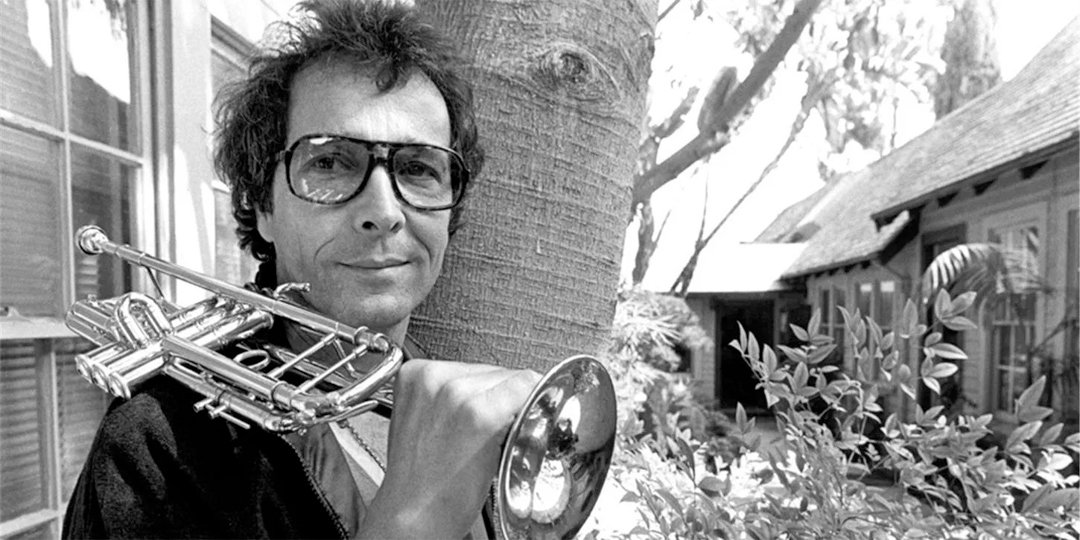
Legendary recording artist Herb Alpert is the kind of guy who gives you keen, friendly marriage advice just because he cares. He’s kind and smooth and insightful. Alpert’s Tijuana Brass sound took over the 1960s (outselling The Beatles for a stretch) and along the way he started the famed A&M record label, which worked with artists from The Carpenters to Sérgio Mendes. Alpert is also a philanthropist. When the Harlem School of the Arts was going to close, he made sure it wouldn’t with a huge financial donation.

This year, Herb Alpert Is…, a new documentary about the artist’s life, will hit streaming screens. In it, viewers see a window into his life, not only as a musician, but also as a painter and sculptor. It’s accompanied by a 63-song box set of the same name. 

We caught up with the lifelong creative soul—who recently released a cover version of “Smile” (co-written by Charlie Chaplin and memorably also performed by Nat King Cole)—to ask him about his days in music, his thoughts on the importance of art, and feeling.

Jake Uitti (Under the Radar): I know you were introduced to the trumpet early on in grade school. And you picked it up from a group of instruments in class one day and it spoke to you. But independent of that experience, when did first discover music in a personal way? 

Herb Alpert: I did have that moment when the trumpet was talking for me. That’s only because I was starting to make noise on it. [Laughs] I wasn’t really making music. I was just making a sound and that was the sound I couldn’t really get out of my mouth. But I guess it took about three or four years before I started, you know, being able to play some songs and have some fun doing that. Then I joined the little band that was in my junior high school. And when I was in high school, I was part of a little trio. We started playing parties and weddings and it became rather successful because we were on this High Talent battle show that was new in Los Angeles in the beginnings years of television. We won this show about 12 weeks in a row. Because of that we became, like, a known quantity. People started coming up to me and saying, “Hey, I like the way you play!” So, I got encouragement but at the same time, I was insecure, you know, like most artists are. And I started trying to play a little bit like my favorite musicians and then I had the ah-ha! “Who wants to hear that? These guys have already done it.” I was looking for my own voice. That’s when the breakthrough happened. 

I wonder also, in a supplementary way, when did you discover music? Not even playing or the trumpet. Just music in general. How did it first appear in your world as a young person—was it hearing records from across the room or your parents singing in the house? 

Yeah, I guess it was creeping up on me. My dad came to this country from Russia when he was 16 years old. He didn’t speak the language at all. But he brought his mandolin with him. He used to play mandolin by ear. Not with his ear. [Laughs] He didn’t quite know what he was doing but he was doing it by feel. Every time I saw him and heard him play his nostrils would flare out. He’d be into it. That’s when I started to get that the feeling of music is more than just sound. It’s a feeling, you know? Once I started to get that on the trumpet, I understood how seductive it was to be able to play an instrument. The beauty of it is, you never get to the end product. You’re always searching for that next way of being able to find something to accomplish. So, I think that’s the thing that keeps me going. Because I love the process. 

When you begin to write a song, does it generally start with the trumpet or can it be any inspiration, piano lick, a bird’s song? 

Well, I learned how to play the piano, as well. So, I would be writing, you know, and you’d hit some chords. You hit a couple sequences of chords and all of a sudden you’ve got the start of a harmonic structure that leads you to want to write some kind of melody over the top of that. And that’s what I did. And when I met Lou Adler—he had some poetry that I put music to. And the music and the poetry kind of matched nicely, so we went into a studio and we recorded some demos. With those demos, we went around to—well, I didn’t. Lou was the one that knocked on doors. I was following. And he got us a job at Keen Records as staff writers. That’s when I met the great Sam Cooke and worked with him for a while and learned a lot from him. 

There was that great moment in the documentary when you realized, thanks to Sam, that a great song isn’t necessarily dependent on technical ability but that it’s more about style or how you do something. 

I think all art is the same. I think all the art forms, whether you’re a dancer, poet, actor, sculptor, painter, musician—it’s all about feel. I think it’s all about feel. I don’t think anything else matters. Of course, you have to have a good song and you have to have put in the time to learn your craft. But if you have that under control to some degree, I think it’s all about feeling. It’s not about how pretty you are. It’s not about how technical you are as a musician. I hear a lot of musicians that are just whizzes. They play fast and loud and up and down and they play all the changes and all the chords and all the modes, they know all that stuff. But you listen to them and you’re kind of staring out the window. The other guys like Miles Davis plays three notes and you go, “Whoa! Wow! Where’d you find those notes!?” It’s a different world. 

Listening to your music—like Whipped Cream & Other Delights, for example—there is so much nuance and also so much whimsy. Did you think about that balance as a way of creating a genuine, authentic joy in your music? 

I didn’t think about it. But you said the magic word: authentic. That’s what I’ve always tried to be. If you can be authentic and do whimsy, do serious, do whatever. But as long as it’s authentic, that’s what resonates with people. That’s what I learned from Sam Cooke. He was a great gospel singer and he was authentic. Whatever he was singing, whether it was a corny song or a deep song, it was authentic. 

What is your relationship with self-doubt when you’re being creative? There’s a great moment in the documentary when you talk about getting that calm feeling, that’s when you know a project is done. But what about during the process, do you self-analyze often? 

Oh, yeah, man. I met some great musicians in my day that all have that. That’s all part of the game. You never think you got it covered totally—at least, I’ve never met anyone that has. And I’ve met the great ones. Yeah, they’re all wondering if the next note is going to come out right. It’s fun, though! I think that’s the thing that keeps you going. 

Do you have the same feeling when you’re sculpting or painting that you have with music? 

Absolutely, I do. I try to be as authentic as I can. I try to rise up to my own water level, whatever that happens to be. And I try not to judge myself with others. I went through that and it doesn’t work. Am I as good as Miles Davis? Can I play like Louis Armstrong? And all these other, you know, favorites of mine. When I finally came to the realization that, “No I can’t. And they can’t do what I do. So, let’s leave it at that!” It’s an easier way to approach it. 

Comparison is the thief of joy. 

It’s a tough road because when I played in Italy and Rome and I went to the Sistine Chapel one day and coming out the other end, I was like, I couldn’t believe what Michelangelo accomplished as a painter, as a sculptor. You think to yourself, “Man, what am I doing sculpting? What am I doing painting?” You get trapped in that and then you say—you got to get beyond that, is what I’m trying to say. You can’t compare yourself to others. 

What is it like for you to have a documentary now about your life? 

You know, it was kind of frightening and it was a lot of things I learned on the route. I wasn’t eager to do a documentary. I honestly—I’ve had my time in the sun. I feel great about that. I feel like things that happen in my life could be helpful to others. The idea that I had the American dream come true, at least I thought I did. I thought I had the brass ring. I was rich, I was famous. But I wasn’t happy. There’s something wrong with that equation. I had to work through that and I think just putting that out there in the documentary, for the most part, I think is a helpful experience for others, maybe. 

It was great seeing the relationship you and your wife have. The moment where you really break down emotionally in the movie and you talk about how important she is to you, how she sees you as a person not as a commodity. That was a really deep moment. 

I really met somebody who was totally honest. She didn’t pull any punches. She didn’t do anything in a mean way, she was just being herself and real. We’ve been married for 47 years now and together for probably 50. But she’s an angel. She changed my life. She actually changed my life. 

I was recently married and having been through some not great relationships and now landing in an incredible one, I think I have an idea what you mean. 

Well, I was married before. I was too young. I wasn’t mature enough to really understand the relationship. But love is lovelier the second time around! I really believe that, you know? 

You’ve very good at combining things, genres, people, music groups. Where do you think that skill comes from? 

I think I’m a real sensitive guy, you know? I’m 85-percent in the right side of my brain. And I don’t think real hard about all this stuff. I kind of try to just let it be a feel and I can—I have a jazz, well not a jazz background. I have a classical background, actually. Then I transferred over into that jazz feeling that I have. And I respond to things. I was the first one to record Waylon Jennings. I did his first record. Because I liked Waylon’s voice. And not because he was a “country artist,” or whatever. I just liked his voice. And when I heard The Carpenters in 1969—and everybody in Los Angeles, all the record companies, had rejected them. I heard that voice of Karen’s and I thought, “Hmm, Wow! That’s an interesting voice!” It reminded me of Patti Paige, when I was going to high school. But it had a ring to it. And then when I met them and Karen actually didn’t even know she was a singer. She thought she was a drummer. But when I met them and I realized that what they were doing was reflecting exactly how they feel musically. They weren’t affecting it. They weren’t trying to, you know, score any points by doing something that you think people might like. They were just being themselves and that’s what I’ve always responded to. Artists that are special in their own way. When we auditioned Sérgio Mendes in Brazil, it was the same thing. I heard that sound. That was a new thing for me because I remember the record Stan Getz had with “The Girl From Ipanema” but that was, you know, 1962. And then when I heard Sergio in 1966, that was, like, a flashback to that bossa nova-type of feeling. I don’t know, it just touched me.

You mentioned your father. He was an immigrant who came to the U.S. at 16. For you to live your dream, he had to be successful and did it with flying colors. When you think of that as the backdrop, what does the idea of America mean to you today? 

Oh man, it means there’s that amazing potential that we have as a society. It’s called freedom—freedom of expression and freedom of idea, which we all have. That’s what we should always strive for. I think musicians are the heart and soul of our democracy. Artists, in general, are the heart and soul of our democracy. That’s something that we have to nurture. Also, I think, especially musicians but artists, as well—musicians are the second responders. We all want to feel something, that we are not alone and we are okay. And musicians can do that. They’re certainly not the first responders—we need them desperately and they do an amazing job. But we need that also, that other thing—I think when you’re listening to music or when you’re watching a good movie or seeing a good piece of sculpture or panting, you’re kind of in a meditation that let’s you stop analyzing and thinking for a while. You become—it’s a meditation, to some degree. And I think that’s what the artists bring to the world. A meditation that’s, I think, something that’s super necessary. Especially in the world as we know it now. 

What made you want to record the song, “Smile”? I believe Charlie Chaplain had a hand in the original version, which has some symmetry given that the A&M offices used to be on an old Charlie Chaplain lot? 

I’ve always liked the song. Charlie Chaplain supposedly wrote the melody, he didn’t write the lyric. But I wanted to do something that was uplifting, something that was positive. Obviously, I’m not a politician. But if I could put something out there that makes people think and feel and feel good about what they see and hear. Because I think people—that song has lasted for years and years and years. It was sung in a movie in the ’20s, I believe. The late ’20s or early ’30s and that melody lingers on. I’ve always liked it. I’ve played it before. But that lyric is fabulous. And the combination and trying to put something visual together—I think people, for the most part, they don’t listen with their ears or their eyes. They listen with their heart and when you hear a song that touches you—it’s moving you. And you can’t analyze what you like about it. You might say, “Well, I like the melody.” “Okay, so what. Now what about that melody do you like?” “I don’t know! I like the way the chords feel when the melody hits.” You know, you can’t get to it. You can’t get to analyze jazz. You can’t analyze a Jackson Pollock painting. You stand in front of it and you try to analyze it and you’re lost, man. And you’ll never get it. It’s all about a feel, as I see it. And the art ork is a bit—not that you’re asking me this [laughs]—of smoke and mirrors, you know? Picasso nailed it, you know? I’ve been painting for 50 years and sculpting and I’ve had really great success doing it. But what he said was, you take an average painting and put it into a room with some great paintings and everyone will walk around thinking that average painting is wonderful. Because it’s in that room with that great painting. He says, you take that same painting and put it in a room with a bunch of dog paintings and they’ll think it’s terrible. “Why did that person paint that!” Do you know what I mean? It’s tricky! 

What do you love most about music, or art, in general? 

What I personally like about it is that it transports me. It takes me to a place that’s peaceful. When I’m making music, painting, or sculpting, I’m in another world. I’m not thinking about politics or anything else that’s happening. I’m certainly not oblivious to, you know, danger. But I just feel like it takes me to a place—it’s a meditative place that feels great. I would hope to think more people can access that. But a lot of people, they have the ability to do something creative but they think too hard about it. They think if it’s good or bad. I got beyond that. I just started painting and feeling like this is getting up to my own water level, what I can do, and leave it at that. If somebody else likes it—and I feel that way about music. This sounds, maybe, pretentious. But I never thought of making hit records. Believe it or not. “The Lonely Bull,” I worked that out. That was the first record that started A&M. After that, with the Tijuana Brass, I was trying to make records that made me feel good, you know? And explore this sound that I had. I knew I had an identifiable sound on the trumpet and I tried to make music that made me feel good. I felt that if it was making me feel good, maybe someone else might like it. But I never was desperate to try and make a hit record. That was the truth. The people that tried to copy my sound, that Tijuana Brass sound, which I sold um-teen-million records. They put it down verbatim. Note for note. But when they played it back, it was kind of like, to me, it was very stiff. And it didn’t have the feel—back to the feel word. And when I played it, I never looked at the music. I just kind of interpreted the music each time I played it. The nuances are very slight but that’s the way I approached the horn. I approached it like a jazz musician. If you try too hard to attract attention with what you’re doing or if you’re playing for musicians or if you’re playing for someone other than your own self—it has to be of the moment or else it doesn’t make any sense. 

www.herbalpert.com

Support Under the Radar on Patreon.

The Link Lonk


September 28, 2020 at 10:03PM
https://ift.tt/345Hq0x

Herb Alpert on Tijuana Brass, Painting and Sculpting, and the New Documentary “Herb Alpert Is…” - Under the Radar Mag

https://ift.tt/3eCf9lu
Herb

AeroGarden’s 9-Pod Indoor Herb Garden hits Amazon low at $230 (Reg. $320+) - 9to5Toys

herb.indah.link

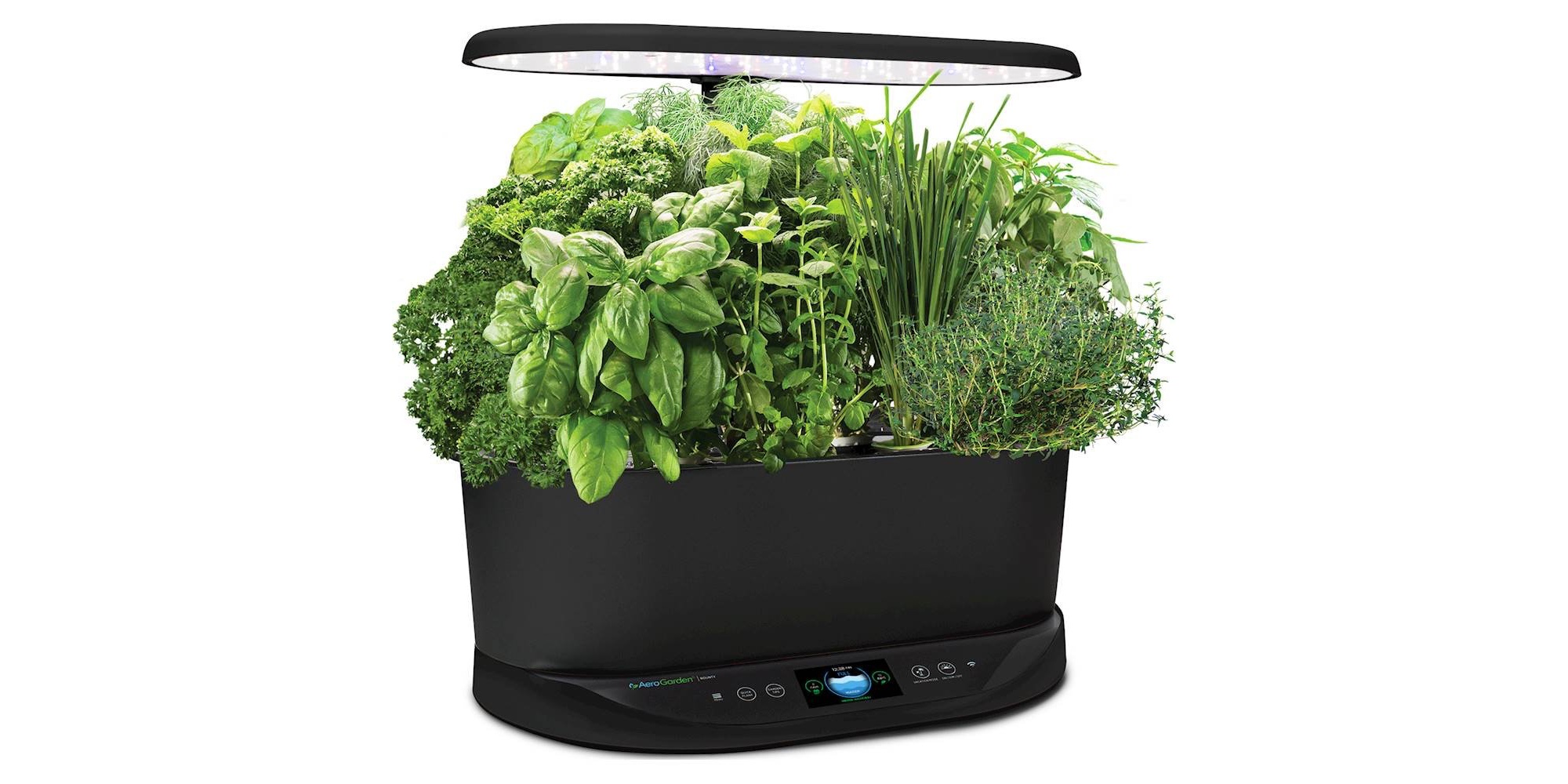
Amazon is now offering the AeroGarden 9-Pod Bounty Indoor Herb Garden for $229.99 shipped. Also matched as part of Best Buy’s Deals of the Day. Originally $400, like it still regularly fetches at Best Buy, this model usually sells in the $320 range and is now at a new Amazon all-time low. This Wi-Fi-enabled and Alexa-compatible indoor garden will have you growing fresh herbs and veggies all year round. Alongside the included nine seed pods (Genovese basil (x2), Thai basil, curly parsley, Italian parsley, thyme, chives, dill, and mint), it features a 3-step water indicator, a soil-free growing system, and “Smart Garden” technology that automatically turns the included 40 watt LED grow lights on and off as needed. Rated 4+ stars from over 1,000 Amazon customers. More details below.

Now, if you don’t need the Alexa compatibility or a 9-plant crop, take a look at the more affordable 6-pod options. The AeroGarden Harvest 360 comes in at $100, or $130 less than today’s lead deal, carries stellar ratings, and comes with much of the same feature set otherwise.

But whichever model you go with, consider customizing your crop with the $13+ seed pod kits. The AeroGarden Red Heirloom Cherry Tomato and the Salsa Garden Seed Pod Kit are two particularly notable standouts here.

We are also tracking a series of solid deals on succulents and other indoor plants at Amazon today. You’ll find up to 25% off a range of options with deals starting from $13 for today only.

More on the AeroGarden 9-Pod Bounty Indoor Garden:

Perfect for a variety of BIG harvests (herbs, salads, tomatoes, peppers & more). Your Wifi enabled and Alexa compatible garden allows you to stay in control of the new features including a 3 step water level indicator and easy quick plant set up. Up your garden game and get the new and improved Bounty today. Home grown freshness & flavor right at your fingertips 365 days a year! Grow fresh herbs & veggies right on your kitchen countertop with this indoor herb garden.

FTC: We use income earning auto affiliate links. More.


Subscribe to the 9to5Toys YouTube Channel for all of the latest videos, reviews, and more!

The Link Lonk


September 28, 2020 at 11:37PM
https://ift.tt/33cAijP

AeroGarden’s 9-Pod Indoor Herb Garden hits Amazon low at $230 (Reg. $320+) - 9to5Toys

https://ift.tt/3eCf9lu
Herb

FMI Revises Herb Oil Market Forecast, as COVID-19 Pandemic Continues to Expand Quickly - Crypto Daily

herb.indah.link

Report Description for Herb Oil Market

This report provides the forecast and analysis of the global herb oil market. It provides the historical data of 2012 to 2016, the estimated data for 2017 and forecast data up to 2022 in terms of revenue (US$ Mn). The report also includes macro-economic indicators along with an outlook about herb oil for the global market. It includes the drivers and restraints of the global herb oil market, and their impact on each region during the forecast period. The report also comprises the study of ongoing industry trends and opportunities for the herb oil market. For providing users a dashboard view of the herb oil market, we have included a detailed competitive analysis, along with key players in the market and analysis on the strategies adopted by the key competition in the market. The competitive dashboard provides a detailed comparison of herb oil manufacturers on the basis of revenue, product offerings and key strategies. The study encompasses market attractiveness analysis by product type, end-use, extraction method, sales channel and region.

Download Methodology of this Report @ https://www.futuremarketinsights.com/reports/sample/rep-gb-5069

The herb oil market study provides an outlook through metrics such as Y-o-Y growth, CAGR and absolute dollar opportunity to provide readers all the quantitative data pertaining to the herb oil market that they require. The report has taken an in-depth look at the supply chain by evaluating the relationship that exists between various supply chain partners or stakeholders and highlighted the cost structure that exists in the herb oil market. The pricing analysis, raw material source analysis and a list of distributors has been included in this section of the herb oil market report. At the end of the report, a list of important participants is provided on a regional intensity map.

The report includes the company profiles of key manufacturers of herb oil in North America, Latin America, Western Europe, Eastern Europe, Asia-Pacific excluding Japan, Japan and the Middle East and Africa. All the key applications of herb oil have been considered based on secondary sources. Some of the key data points involved in the modelling approach include the food & beverages industry scenario, pharmaceutical industry scenario and personal care industry scenario. The market has been forecasted based on constant currency rates.

A detailed study of the herb oil market has provided our analysts observations pertaining to a shift towards the consumption of herb oil over the forecast period. Consumers are increasingly preferring naturally derived food products, especially herb oil, due to the benefits offered by them.

A number of primary and secondary sources were consulted during the course of the herb oil study. Secondary sources include Factiva, Hoovers, U.S. Food and Agriculture Organization databases, country associations and company annual reports & publications. This report covers market dynamics related to herb oil that include the drivers & trends of each segment and opportunities in the herb oil market. The report also includes an analysis and insights into the potential of the herb oil market in specific regions. Detailed profiles of providers are also included in the scope of the report to evaluate their long-term and short-term strategies, product portfolio of herb oil manufacturers and recent developments in the herb oil market space. Some of the key players in the herb oil market are Young Living Essential Oils LC, Symrise AG, Givaudan SA, International Flavors & Fragrances Inc., Biolandes SAS, DoTERRA International LLC, The Lebermuth Company, China Flavors and Fragrances Company Limited, Citrus and Allied Essences Ltd. and Enio Bonchev Production Ltd.

Global Herb Oil Market – By Product Type

  • Basil
  • Mint
  • Thyme
  • Dill
  • Other Herbs

Global Herb Oil Market – By Application

  • Personal Care and Cosmetic
  • Food & Beverage
  • Pharmaceutical
  • Aromatherapy
  • Industrial
  • Other Application

Global Herb Oil Market – By Extraction

  • Distillation
  • Solvent Extraction
  • Cold Pressing
  • Other Extraction Method

Global Herb Oil Market – By Sales Channel

  • Specialty Store
  • Modern Trade
  • Drug Stores
  • Online Store
  • Other Sales Channel

Global Herb Oil Market – By Region

  • North America
  • Latin America
  • Europe
  • Japan
  • APEJ
  • MEA

Request for covid19 Impact Analysis @ https://www.futuremarketinsights.com/reports/herb-oil-market/table-of-content#idMethodology3

The data scrutiny of the global herb oil market is estimated in terms of value consumption. To arrive at the consumption of herb oil, the production data of countries producing different types of herbs across the globe has been taken into consideration. In addition, the production and application of herb oil in top producing countries is tracked for benchmarking. Furthermore, Future Market Insights has estimated volume data on the consumption of herb oil for several countries by understanding the demand and supply of herb oil. This includes a scrutiny of the production, growth, volume & value sales, transition, pricing, population and consumption of herb oil among end-user verticals.

FMI then determined the volume consumption of herb oil across various regions, including North America, Latin America, Europe, Japan, Asia-Pacific excluding Japan and Middle East and Africa. Forecasting is done based on an internal proprietary model using different macro-economic industry-based demand-driving factors that impact the market and its forecast trends by identifying and allocating a weighted score to forecast factors that influence the demand for herb oil.

Given the characteristics of the market, FMI triangulated the data based on supply side, demand side and dynamics of the global herb oil market. To develop the global herb oil market forecast, FMI analysed various factors to understand their respective impact on the target market. However, quantifying the market across the abovementioned segments is more a matter of quantifying expectations and identifying opportunities rather than rationalizing them after the forecast has been completed.

It is imperative to note that in an ever-fluctuating economy, we not only provide forecasts in terms of CAGR, but also analyse on the basis of key parameters, such as year-on-year (Y-o-Y) growth, to understand predictability of the herb oil market as well as identify the right opportunities.

Another key feature of this report is the analysis of the global herb oil market and the corresponding revenue forecast in terms of absolute dollar opportunity. This is usually overlooked while forecasting the herb oil market. However, absolute dollar opportunity is critical in assessing the level of opportunity that a provider can look to achieve, as well as to identify potential resources from a sales perspective in the global herb oil market.

To understand key segments in terms of their growth and performance in the global herb oil market, Future Market Insights has also presented a market attractiveness index, which is expected to help providers identify existing market opportunities in the global herb oil market.

The report covers an in-depth analysis of all value-chain components in the global herb oil market. In the final section of the report on the global herb oil market, a competitive landscape is included to provide a dashboard view of global herb oil manufacturers.

About Future Market Insights (FMI)

Future Market Insights (FMI) is a leading provider of market intelligence and consulting services, serving clients in over 150 countries. FMI is headquartered in London, the global financial capital, and has delivery centres in the U.S. and India. FMI’s latest market research reports and industry analysis help businesses navigate challenges and take critical decisions with confidence and clarity amidst breakneck competition. Our customized and syndicated market research reports deliver actionable insights that drive sustainable growth. A team of expert-led analysts at FMI continuously track emerging trends and events in a broad range of industries to ensure that our clients prepare for the evolving needs of their consumers.

Contact

Mr. Abhishek Budholiya

Unit No: AU-01-H Gold Tower (AU), Plot No: JLT-PH1-I3A,

Jumeirah Lakes Towers, Dubai,

United Arab Emirates

MARKET ACCESS DMCC Initiative

For Sales Enquiries: [email protected]

For Media Enquiries: [email protected]

The Link Lonk


September 29, 2020 at 02:36AM
https://ift.tt/2G7wUOj

FMI Revises Herb Oil Market Forecast, as COVID-19 Pandemic Continues to Expand Quickly - Crypto Daily

https://ift.tt/3eCf9lu
Herb

'Herb Alpert Is…' Bigger than The Beatles? - Shepherd Express

herb.indah.link

In a third-grade music class, the introverted Herb Alpert found his voice when he discovered the trumpet. More than a decade later, on a Tijuana vacation, he discovered his sound. “The Lonely Bull” (1962) launched Alpert’s platinum career at the head of his own band, The Tijuana Brass, which supported his ascent in the music industry as the “A” in A&M Records.

The documentary Herb Alpert Is… weaves the creativity of his present life into a chronicle of his impressive past. In recent years Alpert has devoted more time to painting and sculpture than recording music; the film shows him at work with clay and canvas in his sprawling home and follows him on memory lane, walking past his Melrose Avenue grade school, into the LA Spanish colonial house of his childhood and inside the A&M compound, the historic site of Charlie Chaplin’s studio. Contemporary interviews are adeptly interspersed with archival footage and photos.

The latest effort by Milwaukee native John Scheinfeld, whose previous films include documentaries on John Lennon and John Coltrane, Herb Alpert Is… serves as a reminder of how pervasive its subject was in the ‘60s and how important he was in the ‘70s. Alpert and The Tijuana Brass were welcome in places where The Beatles were seldom heard—their music was used on TV commercials and shows and they regularly enjoyed guest shots on variety shows and their own television specials. Alpert and band starred in what we recognize today as music videos, performing their hits in dramatic outdoor settings or tooling around in old-time cars.

By some reckonings, Alpert outsold The Beatles with a series of largely instrumental singles and albums. His characteristic recordings transposed the sound of a roving Mexican street band into a polished, pop context—albeit his penchant for “Zorba’s Dance” (Greek) and “If I Were a Rich Man” (Jewish-American) positions him as a forerunner of that ‘90s marketing category, “world music.” His string of hits, including “Tijuana Taxi” and “South of the Border,” took listeners out of the tumult of the ‘60s and into a sunny, carefree sonic vacation. Although he kept things simple, he was an emotionally connected musician. Miles Davis is quoted in the film: “You hear three notes and you know it’s Herb Alpert.”

As a recording executive with Jerry Moss at A&M, Alpert signed Joe Cocker, The Carpenters, Quincy Jones, Cat Stevens, Peter Frampton, The Police and many other top-selling ‘70s acts. Sting offers fond memories of A&M as “a human enterprise, not a faceless corporation.” As Alpert puts it, with no board of directors peering over his shoulder, he signed any artist that moved him. A&M was a tribute to privately held enterprise, as opposed to the short-sighted destruction often caused by publicly traded corporations.

Herb Alpert Is… premieres on Facebook Live on Thursday, Oct. 1.

To read more film previews and reviews, click here.

To read more articles by David Luhrssen, click here.

The Link Lonk


September 28, 2020 at 09:27PM
https://ift.tt/33b6Iem

'Herb Alpert Is…' Bigger than The Beatles? - Shepherd Express

https://ift.tt/3eCf9lu
Herb

Herb Lunday Grizzly Golf Classic | | westplainsdailyquill.net - West Plains Daily Quill

herb.indah.link

The 25th annual Herb Lunday Grizzly Golf Classic, a fund-raising event for Grizzly Athletics at Missouri State University-West Plains (MSU-WP), will take place Oct. 9 at the West Plains Country Club.

This year, participants will notice a few differences in the tournament due to the COVID-19 pandemic, organizers said, including the new date. The tournament was originally scheduled for Sept. 11.

“After discussion with the Grizzly Booster Club Board of Directors and gathering more information from university administration, it has been decided to move the tournament to Friday, Oct. 9,” said Grizzly Volleyball Head Coach and Athletic Director Paula Wiedemann.

Also, due to continuing concerns about the coronavirus, the tournament will be a two-person scramble instead of a three-person scramble, Wiedemann added.

Check-in begins at 10:30 a.m. Participants will tee off at noon. 

“If the number of teams exceeds capacity, we will adjust the schedule for morning and afternoon rounds,” Wiedemann said.

Tournament registration has been extended. Cart registration ends September 25. We are encouraging all teams to bring their own golf cart. We cannot guarantee cart reservations due to limited availability. 

Golfers are welcome to practice their swings at the driving range with range balls prior to the event’s start time, Wiedemann said.

Lunch and premium Grizzly prizes will be provided to all participants. Special prizes will be awarded to flight winners.

There will also be two fantastic hole-in-one prizes. One winner could receive a $10,000 Cash Prize (sponsored by Grizzly Volleyball Camps), and another could receive an LS MT125 Tractor with Backhoe and mower deck (sponsored by Hirsch Feed and Farm Supply), and a Rivercraft 14’ + 2’ Dovetail Trailer and tailgate, valued at $19,999.00.

Area businesses and individuals are welcome to sponsor a hole for $150. Those interested should contact the MSU-WP development office at 417-255-7240 for more information. 

To register a team for the event, call 417-255-7240 or go to msuwpgrizzlies.com/general/Grizzly_Golf_Classic_Form.

“This is the 25th anniversary of the tournament. We look forward to a great day on the golf course,” Wiedemann said.

The Link Lonk


September 28, 2020 at 09:43PM
https://ift.tt/3kOItIS

Herb Lunday Grizzly Golf Classic | | westplainsdailyquill.net - West Plains Daily Quill

https://ift.tt/3eCf9lu
Herb

Analyzing Impacts Of COVID-19 on Fruit and Herb Liqueur Market Effects, Aftermath And Forecast To 2026 - The Daily Chronicle

herb.indah.link

Global Fruit and Herb Liqueur Market research report provides excellent vision to analysis Global as well as regional industry. This research report delivers a detailed analysis of distinguishable strategies for industrial growth that will help to determine commanding segments and know distinct factors. Scope of different segments and applications that can potentially influence the global Fruit and Herb Liqueur market in the future has been analyzed further in the report. The report acknowledges major industry vendors, key regions, demand & supply, applications, innovations, revenue cost, and challenges. The report covers trends, restraints, and drivers that transform the global Fruit and Herb Liqueur market in either a positive or negative manner.

The Fruit and Herb Liqueur Market research report presents a comprehensive analysis of the market and contains thoughtful insights, facts, historical data, and statistically supported and industry-validated market data. It additionally contains projections applying a suitable set of assumptions and methodologies. The research report provides analysis and information according to market segments such as geographies, application, and industry by considering major players.

Moreover, the Fruit and Herb Liqueur Market report clarifies the Industry segmentation based on various parameters and attributes that can be classified on geographical region, product types and market applications.

Request a sample of Fruit and Herb Liqueur Market report @https://hongchunresearch.com/request-a-sample/83980

Key players in the global Fruit & Herb Liqueur market covered in Chapter 4:
Becherovka
Samuel Willard’s
Chartreuse
Jagermeister
Killepitsch
Stillspirits
Yomeishu
Lzarra

In Chapter 11 and 13.3, on the basis of types, the Fruit & Herb Liqueur market from 2015 to 2026 is primarily split into:
Fruit Liqueur
Herb Liqueur

In Chapter 12 and 13.4, on the basis of applications, the Fruit & Herb Liqueur market from 2015 to 2026 covers:
Home
Bar
Other

Geographically, the detailed analysis of consumption, revenue, market share and growth rate, historic and forecast (2015-2026) of the following regions are covered in Chapter 5, 6, 7, 8, 9, 10, 13:
North America (Covered in Chapter 6 and 13)
United States
Canada
Mexico
Europe (Covered in Chapter 7 and 13)
Germany
UK
France
Italy
Spain
Russia
Others
Asia-Pacific (Covered in Chapter 8 and 13)
China
Japan
South Korea
Australia
India
Southeast Asia
Others
Middle East and Africa (Covered in Chapter 9 and 13)
Saudi Arabia
UAE
Egypt
Nigeria
South Africa
Others
South America (Covered in Chapter 10 and 13)
Brazil
Argentina
Columbia
Chile
Others

Access this Fruit and Herb Liqueur Market Research Report @https://hongchunresearch.com/report/fruit-and-herb-liqueur-market-size-2020-2026-83980

This is a very detailed market research report, the report analyzed different types of market products, downstream applications, development in various regions, as well as the development trend, the opportunities and challenges, etc. The data section covers price, revenue, production, sales, gross margin, production cost etc.

The report also focuses on developing market trends, preferred market channels and market drivers & restraints to name a few.

Major Points from Table of Contents:

Chapter One: Study Scope Introduction
Market Definition, Study Scope, Regions Markets Covered, Types Markets Covered, Applications Markets Covered, Currency and Pricing, Stakeholders ,..

Chapter Two: Fruit and Herb Liqueur Industry Chain Analysis
Industry Chain Structure, Upstream Analysis, Downstream Analysis, Market Dynamics, Mergers & Acquisitions, Production Technology Development ,..

Chapter Three: Global Fruit and Herb Liqueur Market Analysis by Players
Global Consumption (Unit) and Market Share (%) by Players
Global Revenue (Million USD) and Share by Players (2019-2020)
Global Price (USD/Unit) by Players (2015-2020)
Global Gross Margin by Players (2015-2020)

Chapter Four: Global Fruit and Herb Liqueur Production Market Analysis by Regions
Global Fruit and Herb Liqueur Production (Unit) and Market Share (%) by Regions (Market Production and Growth Rate Analysis in USA, Europe, China, Japan, India, Middle East, South America , South Africa)
Global Price (USD/Unit) by Region (2015-2020)
Global Production Value (Million USD) and Share by Regions (2015-2020)
Global Gross Margin by Regions (2015-2020)

Chapter Five: Global Fruit and Herb Liqueur Consumption Market Analysis by Regions
Global Fruit and Herb Liqueur Consumption (Unit) Market by Regions (Market Production, Consumption, Import and Export Analysis Globally and in regions like USA, Europe, China, Japan, India, South America, South Africa)

Chapter Six: Global Fruit and Herb Liqueur Market Analysis by Types

Chapter Seven: Global Fruit and Herb Liqueur Market Analysis by Applications

Chapter Eight: Global Main Fruit and Herb Liqueur Market Players Analysis

Chapter Nine: Global Fruit and Herb Liqueur Market Forecast (2018-2023)

Chapter Ten: Fruit and Herb Liqueur Market Research Methodology

Chapter Eleven: Fruit and Herb Liqueur Market Research Conclusions

Make an Enquiry before buying Fruit and Herb Liqueur Market research Report @https://hongchunresearch.com/enquiry-before-buying/83980

NOTE: Our report does take into account the impact of coronavirus pandemic and dedicates qualitative as well as quantitative sections of information within the report that emphasizes the impact of COVID-19.

As this pandemic is ongoing and leading to dynamic shifts in stocks and businesses worldwide, we take into account the current condition and forecast the market data taking into consideration the micro and macroeconomic factors that will be affected by the pandemic.

About HongChun Research:
HongChun Research main aim is to assist our clients in order to give a detailed perspective on the current market trends and build long-lasting connections with our clientele. Our studies are designed to provide solid quantitative facts combined with strategic industrial insights that are acquired from proprietary sources and an in-house model.

Contact Details:
Jennifer Gray
Manager – Global Sales
+ 852 8170 0792
[email protected]

The Link Lonk


September 28, 2020 at 03:09PM
https://ift.tt/30cWqse

Analyzing Impacts Of COVID-19 on Fruit and Herb Liqueur Market Effects, Aftermath And Forecast To 2026 - The Daily Chronicle

https://ift.tt/3eCf9lu
Herb

Planting a herb window-box - Letaba Herald

herb.indah.link

Window-boxes planted up with herbs are not just for windows, they can be used just about anywhere, even as a table decoration.  


Useful tips

  • Most small herbs, like thyme, oregano, sage, and even rosemary, have shallow root systems suitables for a window box. Choose a container that is at least 15cm deep. Avoid shallower containers as they won’t be able to hold enough water for the plants, especially on very hot days.
  • If using a terracotta container, soak it in water for a day before planting up. Terracotta acts like a sponge and absorbs all the water from the potting medium. But if it is saturated before planting, the pot will not absorb the water and the soil will stay moist.
  • Before planting, water all the herbs in their pots or bags. This makes it easier to remove the herbs from the pots, reduces transplant shock and the resistance that may occur when the plant is put into a different growing medium.
  • Use a good quality herb potting mix and incorporate a controlled release fertiliser (like Vigo-longer) into the potting soil for a gradual release of nutrients.

The herbs selected for this step-by-step by Rachel Diago of Healthy Living Herbs are salad herbs that can also be used in cooking and even for making herbal teas: sweet basil, chives, Italian parsley, mint, red leaf lettuce and nasturtiums. She used a container from Lifestyle Home Garden.

STEP ONE

Half-fill the window box with herb potting mix and place the herb (still in its pot) to check the final planting height, which should be about 3cm from the top. No need to put stones or gravel at the bottom because this can block drainage holes.


STEP TWO

Ease the sweet basil out of the pot by first squeezing the pot and then tilting it upside down (with your fingers protecting the plant) so that the root ball slides out of the pot. Do not pull the plant out of the pot as this could damage its roots

.  

STEP THREE

Fill in with the other herbs, and the red leaf lettuce, by taking them out of their pots and positioning them in the planter, with low growing herbs (mint, nasturtium) on the outer edges so that they can trail over the side.

STEP FOUR

Once the herbs are in place, fill in with potting soil, making sure that the plant is at the same level in the container as it was in the pot. Firm the soil around the plants and water gently to settle the soil.

How to use herbs:

Sweet basil: add fresh leaves to salads and salad dressings. Use to flavour tomato-based sauces, vegetables, cheese and egg dishes, chicken, fish and meat, adding towards the end of cooking. Basil tea improves digestion and acts as a mild anti-depressant.

Chives: snip into salads and vegetable, cheese, egg and meat dishes as a garnish. Use in salad dressings.

Italian parsley: Use in salads, dressings and sauces, chop and add towards the end of slow-cooked meat and poultry dishes. A very nutritious herb, especially rich in vitamin C. Drink parsley tea to aid digestion and as a tonic.

Mint: Add to salads, desserts and cool drinks. Use in a tea to aid digestion after a meal. It also lifts fatigue and stimulates the appetite.

Nasturtium: both the flowers and leaves are edible and have a piquant and peppery flavour. Add to salads and sandwiches, egg dishes, herb dips, herb vinegars, vegetable dishes and desserts.

The Link Lonk


September 28, 2020 at 03:01PM
https://ift.tt/36cFLJb

Planting a herb window-box - Letaba Herald

https://ift.tt/3eCf9lu
Herb

Featured Post

Founder of herb garden at Morton Grove church inspired by 12th century St. Hildegard - Chicago Tribune

herb.indah.link [unable to retrieve full-text content] Founder of herb garden at Morton Grove church inspired by 12th century St. Hildegard...

Popular Posts